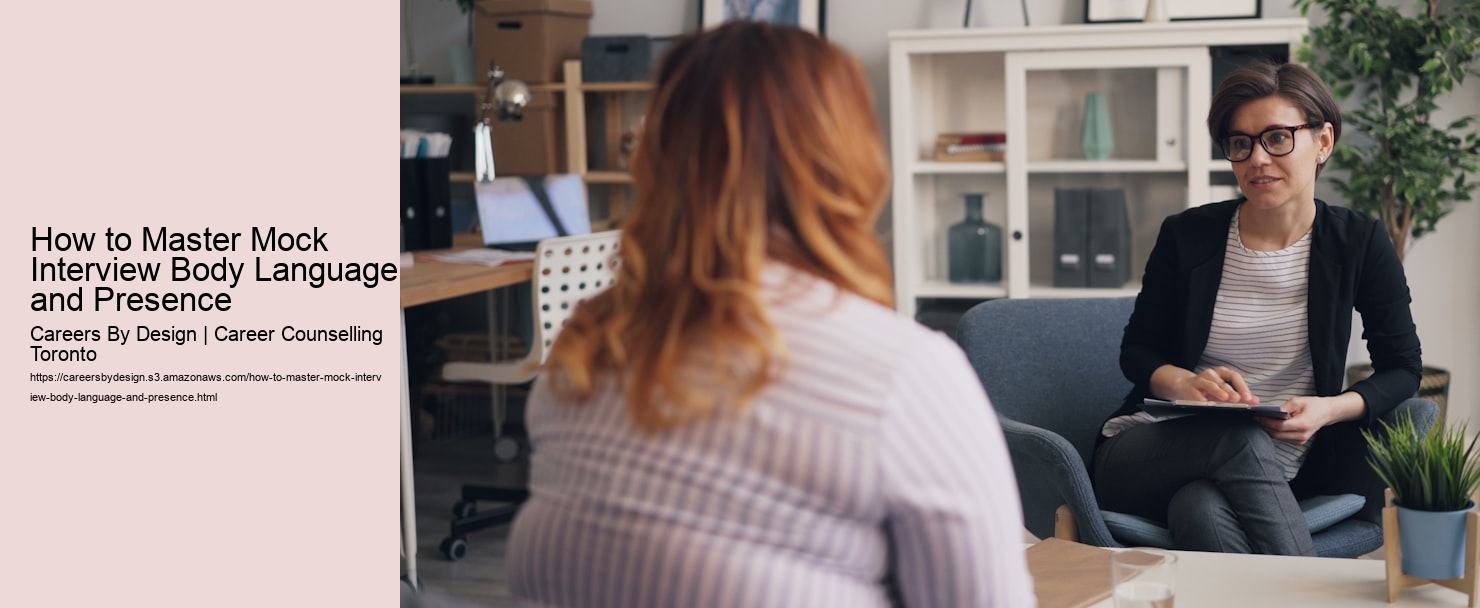
Ever notice how your body language changes when you're nervous? Maybe your leg bounces, you fidget with your hands, or you catch yourself slouching. I get it - interviews can feel like you're under a microscope, and those nerves can show up in ways you don't even realize.
That's where mock interviews come in. Think of them like dress rehearsals for the real thing. You get to practice not just your answers, but also how you carry yourself. And trust me, that physical presence matters just as much as what you're saying.
Getting feedback on your body language can be eye-opening. I remember coaching someone who kept crossing their arms during practice - a habit they had no idea was making them appear defensive. One quick adjustment, and their whole energy changed.
The cool thing about mock interviews is you can mess up without consequences. Want to try different ways of sitting? Go for it. Need to work on your handshake? Perfect time to practice. You can even record yourself to spot those little habits you never knew you had.
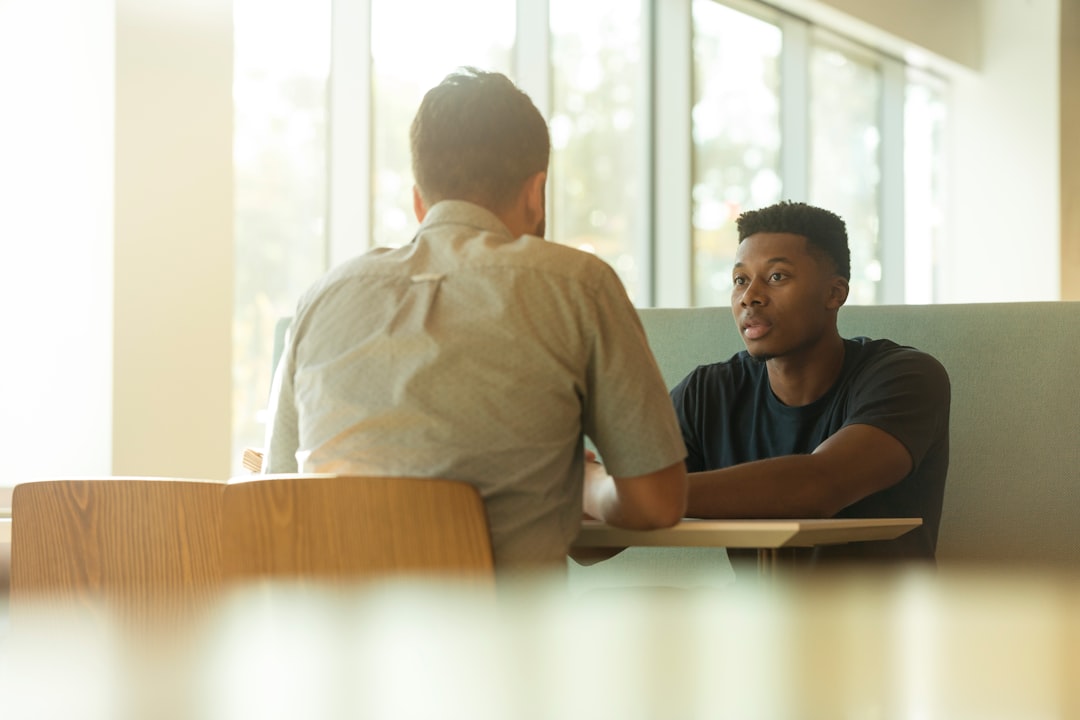
If you're feeling stuck or unsure where to start, working with a professional interview coach can make a huge difference. They'll catch those subtle cues you might miss and help you build genuine confidence - not just the "fake it till you make it" kind. You can book an interview coaching session to get personalized feedback on your presence and body language.
The best part? Once you nail down the physical stuff in practice, it becomes second nature. You'll walk into your real interview focused on the conversation, not worried about what your hands are doing.
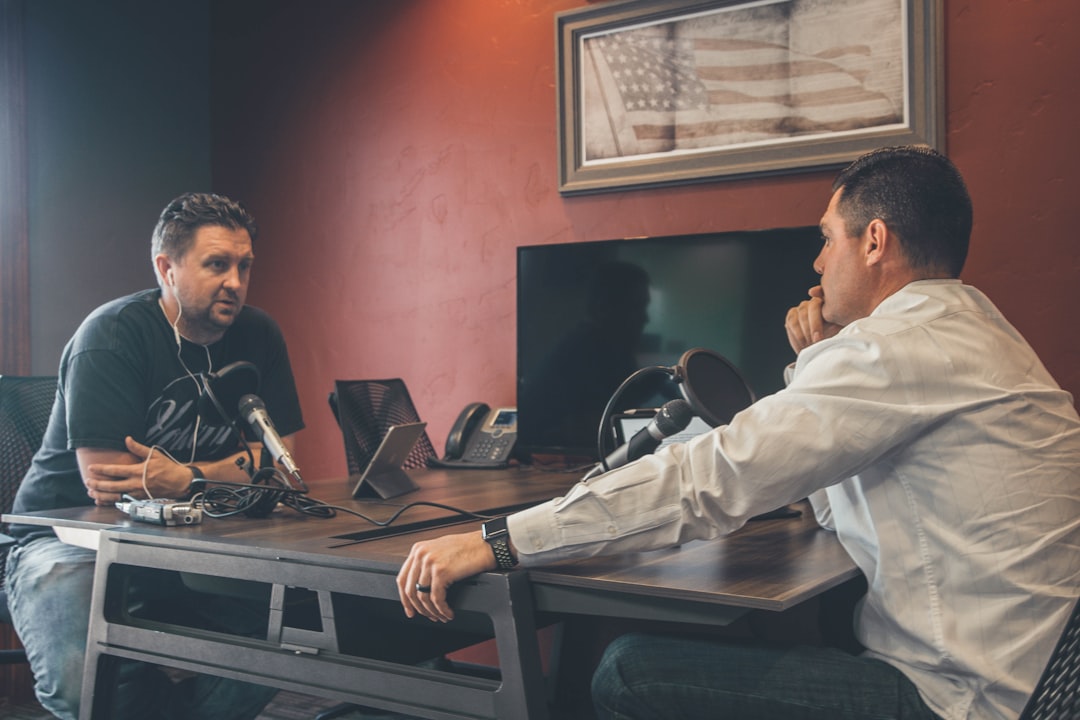
Let's be real - practicing interview body language in front of your bathroom mirror isn't quite the same as the real thing. You need honest feedback from someone who can spot those nervous habits you don't even realize you have.
Mock interview sessions give you a safe space to work out the jitters. I've seen even the most confident professionals fidget with their hands or accidentally slouch during practice runs. No judgment - we all do it!
Your physical setup matters more than you might think. Find a quiet room with good lighting where you can sit up straight at a desk or table. Prop up your laptop or device at eye level so you're not looking down (hello, double chin!) during video interviews.
Dress exactly as you would for the real interview. Yes, even the shoes - they affect how you carry yourself. Plus, you'll want to make sure that shirt that looked great in your closet doesn't look weird on camera or feel uncomfortable when you're sitting for an hour.
A professional interview coach can spot subtle things that might be undermining your presence - like that nervous pen-clicking or the way you might be inadvertently crossing your arms in a defensive position.
Quick tip: Record yourself during practice sessions. Yes, watching yourself can be cringe-worthy (we all hate seeing ourselves on video), but it's eye-opening. You might notice you're saying "um" more than you thought or that your enthusiasm doesn't show as much as you feel it.
Remember to test your tech setup beforehand. Nothing kills your confident vibe quite like scrambling with audio settings or dealing with weird lighting five minutes before your mock interview starts. Trust me, I've been there - and it's not fun!
Your posture sets the tone for the entire interview before you say a word. Keep your shoulders back and spine straight, but don't stiffen up like a robot - you want to look confident, not rigid. Plant your feet firmly on the ground when seated, avoiding crossed legs which can make you appear closed off or nervous. Let your arms rest naturally on the chair arms or your lap, steering clear of crossed arms which can seem defensive. Remember to occasionally adjust your position slightly to stay comfortable and natural, as staying frozen in one position can make you appear tense.
Making the right amount of eye contact is a delicate balance that takes practice to master. Aim to maintain eye contact about 60-70% of the time, breaking away naturally when thinking or gesturing. When speaking with multiple interviewers, distribute your attention evenly among them, especially when answering a specific person's question. If direct eye contact makes you nervous, try focusing on the bridge of their nose - it creates the same effect without feeling as intense. Remember to blink normally and avoid staring, as this can make both you and the interviewer uncomfortable.
Your hands can be powerful tools for expressing yourself naturally during interviews. Keep your gestures contained within the area between your shoulders and waist to avoid appearing too animated or distracting. Use open palm gestures when making key points - this subtly signals honesty and openness to the interviewer. Match your hand movements to your speech rhythm, but don't feel you need to gesture constantly. Let your hands rest comfortably in your lap when listening, and avoid nervous habits like playing with jewelry or touching your face.
Your face communicates volumes about your enthusiasm and engagement during the interview. Practice your natural smile in the mirror - it should reach your eyes and appear genuine, not forced or frozen. Show active listening through subtle nods and appropriate reactions to what the interviewer is saying. Keep your expression open and interested, avoiding furrowed brows or tense jaw muscles that can make you appear worried or stressed. Remember to relax your face periodically, as holding any expression too long can appear unnatural.
Subtle mirroring of your interviewer's body language can help build rapport and make them feel more comfortable with you. Match their energy level and speaking pace - if they're speaking quietly and slowly, adjust your tone accordingly. Adopt a similar but not identical posture, perhaps leaning slightly forward when they do. Be very subtle with this technique - obvious copying will seem artificial or manipulative. Practice this skill in everyday conversations so it becomes natural by interview day.
Ever caught yourself practicing interview answers in the mirror? I've been there - rehearsing those "tell me about yourself" responses while gesturing awkwardly at my reflection. But here's the thing: practicing alone only gets you so far.
Real mock interviews with a pro can transform how you present yourself. Think of it like having a personal trainer for your interview skills. They'll catch those nervous habits you didn't even know you had - like playing with your hair or that rapid-fire leg bounce under the table.
A friend of mine recently worked with a career coach who specializes in interview preparation. She was shocked when the coach pointed out how she kept looking down while answering questions, making her seem unsure of herself. One session of targeted feedback helped her develop a more confident presence.
Mock interviews give you a safe space to mess up and learn. You can test different ways of sitting, try various hand gestures, and figure out what feels natural. Your coach will tell you if you're coming across too stiff or too casual - things you'd never spot on your own.
The best part? You'll get honest feedback about your body language quirks. Maybe you're overdoing the head nodding, or perhaps your smile looks more like a grimace when you're nervous. These are things your friends might notice but won't tell you about.
Practice sessions also help you nail down the basics - like where to put your hands during the interview (hint: not crossed over your chest), how to lean forward just enough to show interest, and how to maintain good eye contact without staring.
By the time you walk into that real interview, you'll have your physical presence down pat. No more second-guessing whether your handshake was too weak or if your posture made you look interested. You'll be too busy nailing those interview questions instead.
Ever catch yourself fidgeting during a mock interview and wonder what your hands are even doing? You're not alone. I've seen countless professionals twist themselves into knots trying to figure out the "perfect" interview presence.
Let's get real - mock interviews feel awkward at first. You're sitting there with someone watching your every move, and suddenly you forget how to act like a normal human being. Been there, done that.
The magic happens when you practice with someone who can give you honest feedback about your body language. A skilled interview coach can spot those nervous habits you didn't even know you had - like that pen-clicking or hair-twirling that kicks in when you're stressed.
Here's a quick win: Try recording yourself during practice sessions. I know, I know - nobody likes watching themselves on video. But trust me, you'll notice things like slouching or avoiding eye contact that you can easily fix.
Mock interviews also help you nail down that tricky balance between confidence and arrogance. Your coach can tell you if you're coming across as too stiff or too casual. Professional interview coaching gives you that outside perspective you just can't get from practicing in front of your mirror.
Remember those power poses everyone talked about a few years ago? While standing like Superman before your interview might help, what really matters is finding a natural, comfortable position that works for you. Your mock interview practice is the perfect time to experiment.
Think of each practice session as a dress rehearsal. Wear your interview outfit, sit in a proper chair (not your cozy couch), and treat it like the real deal. This helps your body and brain get used to the formal interview setting before the stakes are high.
The best part? Once you've got your physical presence down pat, you can focus on actually answering those tough questions instead of wondering if your leg-jiggling is distracting the interviewer.
Want to know a secret about mock interviews? Recording yourself is a total game-changer. I used to hate watching myself on video too, but trust me - it's like having a coach right there showing you things you'd never notice otherwise. Grab your phone and prop it up somewhere stable. Record yourself answering common interview questions in full interview attire. Yes, it feels awkward at first. But you'll spot things like that nervous hair-touching habit or realize you're speaking way faster than you thought. Watch the playback with the sound off first. This lets you focus purely on your body language without getting distracted by your words. Are you fidgeting? Making good eye contact? Sitting up straight but still looking natural? Many of my clients are shocked to discover their facial expressions don't match their words - like frowning while talking about how much they love their work! Try this quick exercise: Record yourself answering "Tell me about yourself" twice. First, just wing it. Then take 5 minutes to plan your answer and record again. The difference in your confidence and presence will be obvious. If you're feeling stuck or want expert feedback on your mock interview performance, working with an interview coach can fast-track your progress. They'll catch subtle things you might miss and give you personalized strategies to improve.
Professional interview coachingcan help you transform those nervous habits into confident communication. Don't just delete those recordings right away. Save them and record new ones every few practice sessions. You'll be amazed at how much your presence improves when you can actually see your progress. Think of it like watching game tape - athletes do it, and so should you!
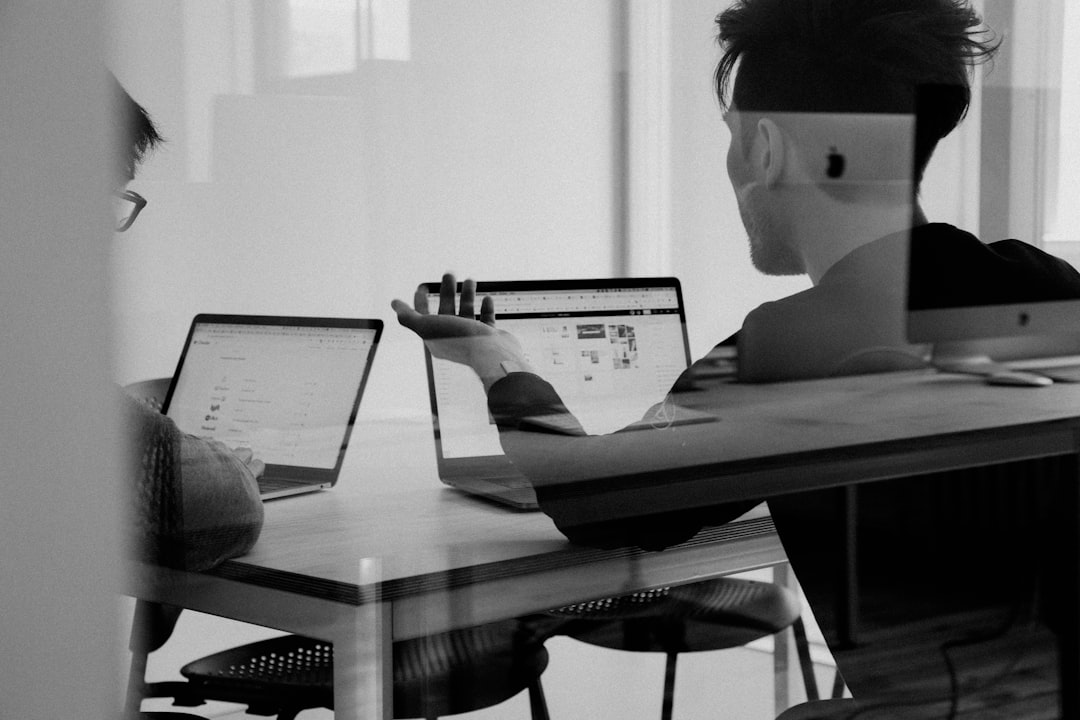
Let's face it - job interviews can feel like you're on stage with a spotlight shining right on you. Your palms get sweaty, your mind goes blank, and suddenly you forget how to sit like a normal human being. But here's the thing: those physical reactions are totally normal. The key is learning to work with them instead of fighting them. That's where mock interviews come in - they're like a dress rehearsal where you can mess up without any real consequences. Think of mock interviews as your personal practice space. You can try different ways of sitting, test out your handshake strength, and figure out what to do with your hands when you're telling your career story. Working with a professional interview coach gives you honest feedback about things you might not even notice - like that nervous pen-clicking or tendency to look at the floor. Getting that real-time feedback is game-changing. A good coach will point out when your body language doesn't match your words. Maybe you're saying you're "excited about the opportunity" while slouching and crossing your arms. Or perhaps you're nodding so much you look like a bobblehead doll. The magic happens when you practice enough that good interview body language becomes muscle memory.
Professional interview coachinggives you a safe space to build those habits before the real thing. You'll learn to maintain eye contact without staring, sit confidently without fidgeting, and use hand gestures that enhance your points instead of distracting from them. Remember that one friend who always seems completely at ease in any situation? They weren't born that way - they just had more practice. Mock interviews give you that same practice time, so when the real interview comes around, you can focus on sharing your awesome experience instead of wondering if you're sitting weird.